How Naming Shapes the Future of Plant-Based Foods
Authors: Msc Andrea Derrez, PhD Luca Bosello, Msc Stefania Rubicondo
The plant-based category continues to grow, but so does the tightening the food regulations. As the “ultra-processed foods” (UPF) debate enters mainstream media, many plant-based alternatives risk being mislabeled, not because they’re unhealthy, but because their denomination and ingredient choices trigger UPF classifications under frameworks like the NOVA system.
This raises uncomfortable questions for innovators:
- Does a wrong denomination automatically put my product into UPF territory?
- Do consumers actually see a UPF label?
- Can this hurt my sales, listings, or brand trust?
- How do we avoid this trap and how does Agilery help?
Why Denomination Matters More Than Ever
Denomination (the way you name and describe your product) is not just a branding decision, it’s a regulatory and nutritional perception issue. After working with numerous innovative projects with rather ambiguous positioning from cocoa-free chocolate, alcohol-free spirits, vegan eggs or milk-free dairy alternatives - we’re happy to shine some light on this topic to help brands make the right labelling decisions.
Plant-based products often get classified as UPFs when they include:
- Added vitamins or minerals (for parity with dairy)
- Natural stabilisers like gellan gum
- Protein isolates or concentrates
- Natural flavourings
- Plant oils for texture
We at Agilery have worked with numerous companies that have experimented across formats: from cocoa-free chocolate, alcohol-free spirits, vegan eggs to milk-free dairy alternatives. And over time one thing is clear - the debate on naming plant-based alternatives has escalated.
On 8 October 2025, the European Parliament passed an amendment to reserve terms like “burger,” “sausage,” and “steak” exclusively for products containing animal meat. (European Vegetarian Union, October 2025)
According to a recent ruling by the Court of Justice of the European Union (C-438/23, 2024), a Member State may not ban meat-related terms on plant-based products unless there is a legally defined alternative name. (Euronews, October 2025)
Uncertainty remains until national laws catch up: Following the ECJ decision, the European Commission and Member States could still regulate naming at national level. The Commission’s recent 2025 proposal would ban 29 meat-related terms (e.g. “beef,” “chicken,” “bacon,” etc.) for plant-based products. (European Commission, July 2025)
Yet these elements often improve nutritional value or functionality. Still, classification systems tend to look at processing, not nutrition.Client: Yumame Foods, Fermented Plant Based Meat Alternative (Read their story)
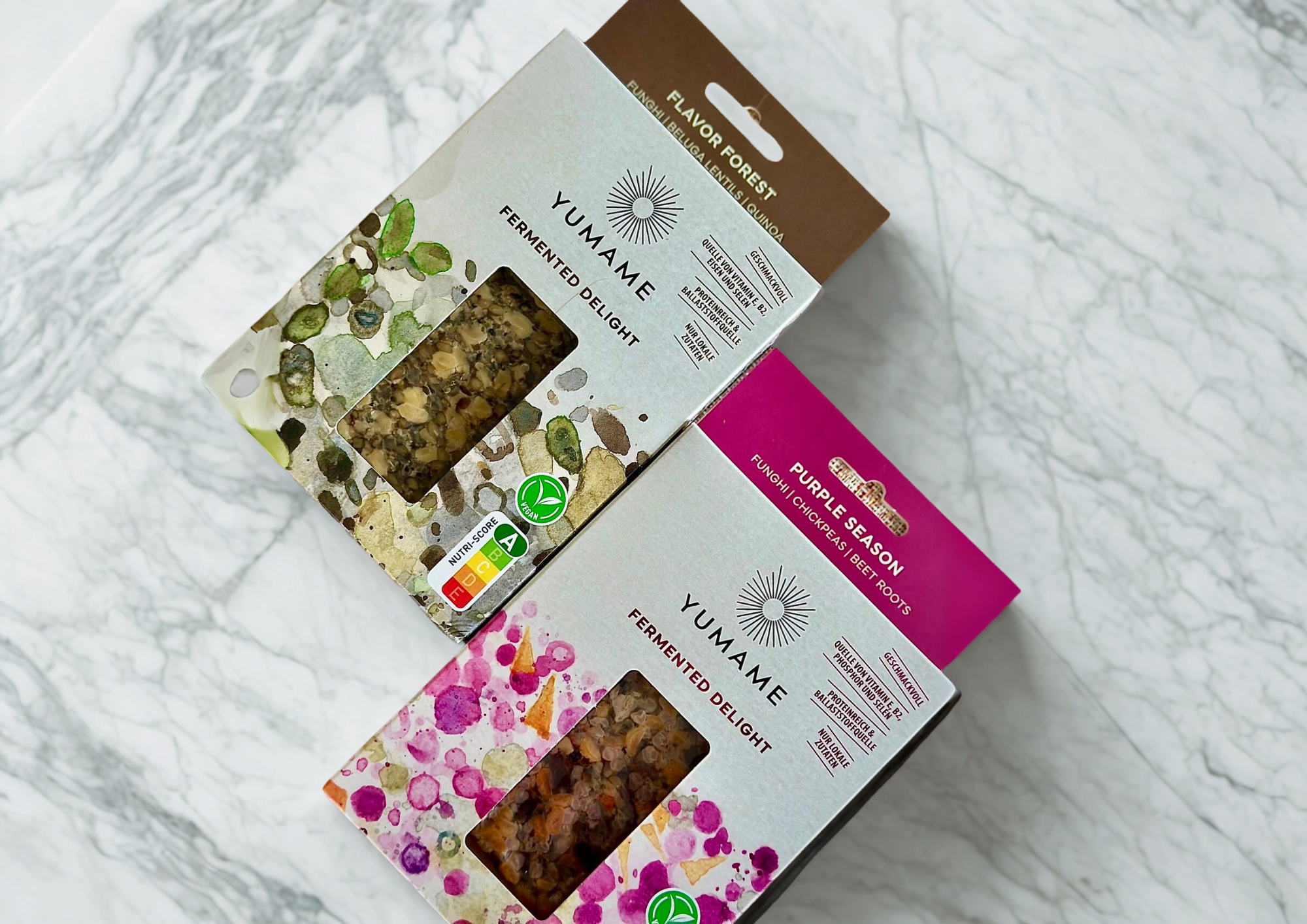
“When formulating, every ingredient should have a clear functional and nutritional purpose.”
— Stefania Rubicondo, NPD expert, Agilery
Denomination triggers misclassification. If your product is called “High-protein plant-based milk substitute” or “Textured vegetable protein meat alternative” it primes regulators, scientists, and retailers to evaluate it through a processing lens. Clearer, identity-first denomination helps avoid this.
Do Consumers Actually See the UPF Label?
Short answer: not directly, but their perception is through several touchpoints where the categorisation happens.
There is no mandatory front-of-pack UPF label in the EU, US, or UK. However, consumers increasingly believe they are seeing it. One of possible sources of consumer perception are media headlines, such as “Is Fake Meat Better than The Real Meat?” (New York Times, February 2025) or Should we be worried about vegan ultra-processed foods? (BBC), “Plant-based fast food no healthier than meat, say scientists” (The Post NZ, January 2024).
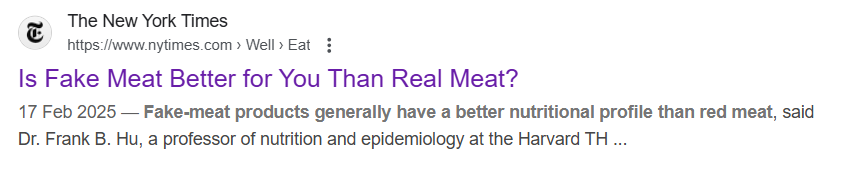
Some health organisations explicitly list plant-based meats and drinks under UPFs in their reports. Several European retailers are experimenting with:
- Processing scores
- NOVA classification system*
- Traffic-light–style evaluations
*NOVA classification system categorises foods based on the level of industrial processing rahter than nutritional value or health impact.
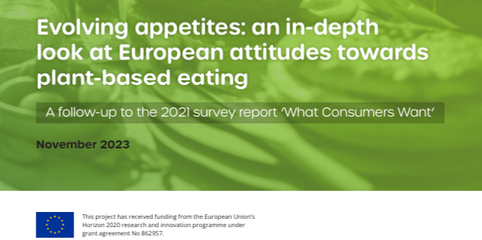
However more and more consumer surveys find that trust and acceptance for plant-based alternatives increased. Smart Protein Report claims that 46% of their respondents said their trust in plant-based alternatives had grown compared to two years ago. (Smart Protein, September 2023)
"A vague or highly technical name can already signal to consumers that the product is highly processed, before they even read the ingredients."
— Luca Bosello, Regulatory expert at Agilery
A Europe-wide study comparing different protein sources for meat alternatives found that potato, rice and pea proteins are the most accepted — whereas proteins from algae, insects, or more “novel” sources (e.g. cultured or highly processed proteins) faced significantly lower acceptance. (Pronk K, Etter B, Michel F, Siegrist M. Consumer acceptance of different protein sources for meat alternatives: A multinational study, Nov 2025) This means that there is a receptive market for alternatives — but demand depends heavily on taste, price, familiarity, and clarity.
UPF Mislabeling Can Hurt Your Bottom Line
Shoppers increasingly filter for products labelled “natural,” “minimally processed,” and “clean label. A UPF association, even if unearned, reduces trust.
Retailers want plant-based options, but not controversy. If your formulation or denomination attracts scrutiny, it may affect their listing decisions, category placement, shelf visibility and marketing support.
How Plant-Based Innovators Can Avoid UPF Misclassification
This is where proactive strategy pays off.
- Use a denomination that reflects the food identity. Be clear, specific, and consumer-oriented, e.g.: “Soy-based yogurt alternative” “Pea-protein drink fortified with calcium” “Cashew-based cheese alternative” Avoid overly technical nouns that imply industrial processing.
- Keep ingredient lists simple but purposeful. Often with plant based alternatives you can’t avoid having a longer ingredient list. It’s important, however, that each ingredient has a clear functional or nutritional role. This avoids “noise” that triggers scrutiny.
- Formulate for nutrition, not for NOVA. Regulations in denomination are getting stricter. However consumer is ultimately the one who makes the final decision. A rule of thumb is that a nutritionally strong profile, eg. protein, fibre, healthy fats, usually outweighs criticism around processing.
- Document your decisions, as retailers love transparency. Technical dossiers explaining ingredient purpose, nutrition rationale, and sustainability advantages can avoid misinterpretation.
How Agilery Helps Plant-Based Brands Avoid the UPF Trap
Agilery supports plant-based innovators from concept to commercialization. We design or review your formulation to reduce unnecessary “UPF triggers” while maintaining texture, taste, and nutrition. We help you with denomination & regulatory positioning by defining your product descriptions so that they are compliant, strategic, and resistant to misclassification.
Fungi-Based Food Innovation: Yumame Case Study
Yumame Foods
Business type: Startup
Product: Fermented RTE
Service: Pilot & Scale-up
Top 25 European Awards for Food & Beverage Innovation
Register today and boost your product and brand credibility with an award.
How to Set a Realistic Food Product Launch Timeline
Product launch delays drain resources and cost you potential revenue. Speed up each stage with us.